We pulled into the port around 8:30, just as our room-service breakfast was being delivered. I didn’t take any photos, but it was pancakes and bacon for Shane and oatmeal and two eggs sunny-side-up for me. Nothing fancy. We slipped off the ship around 930 and took the shuttle to Aberdeen.
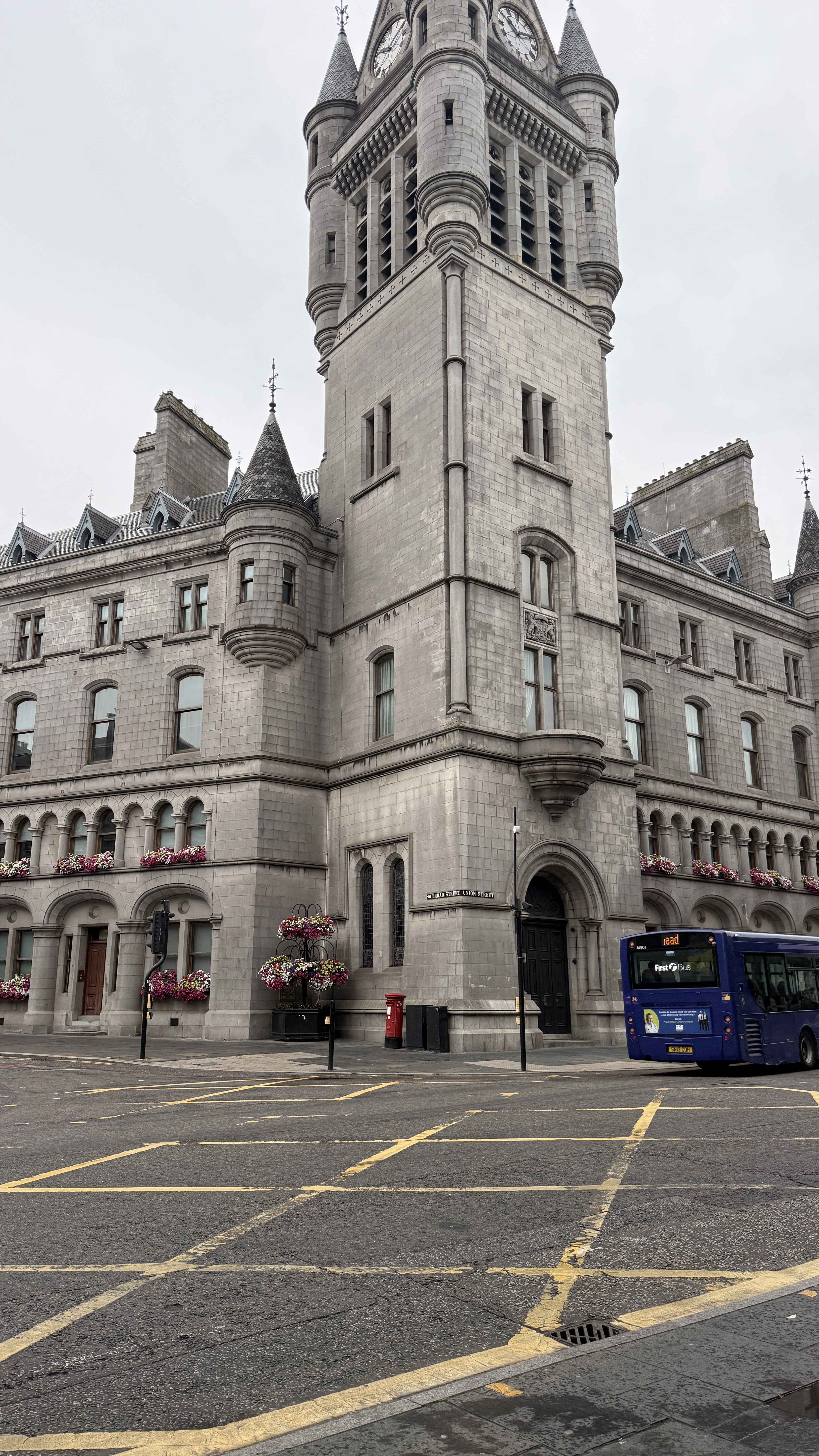
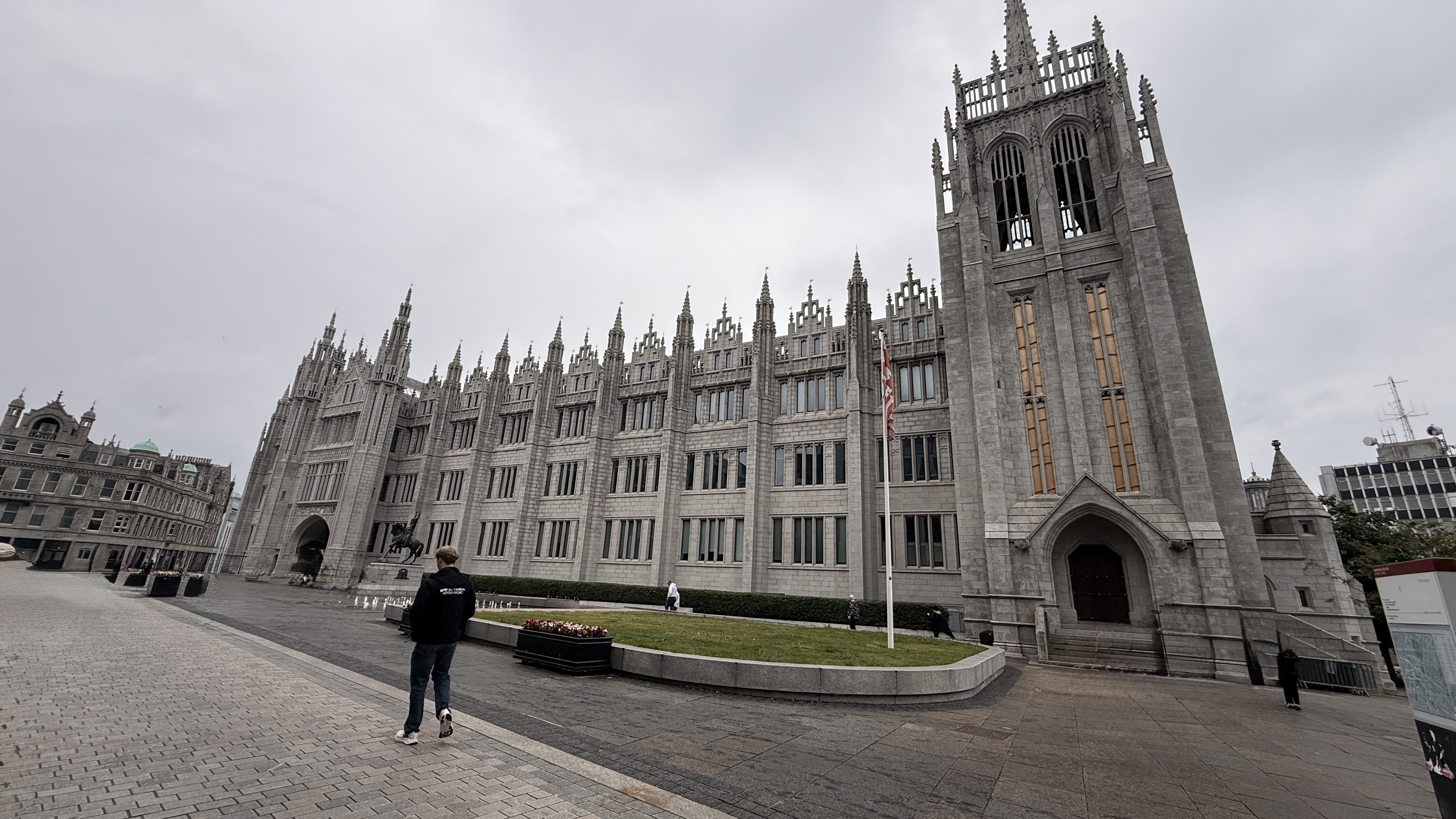
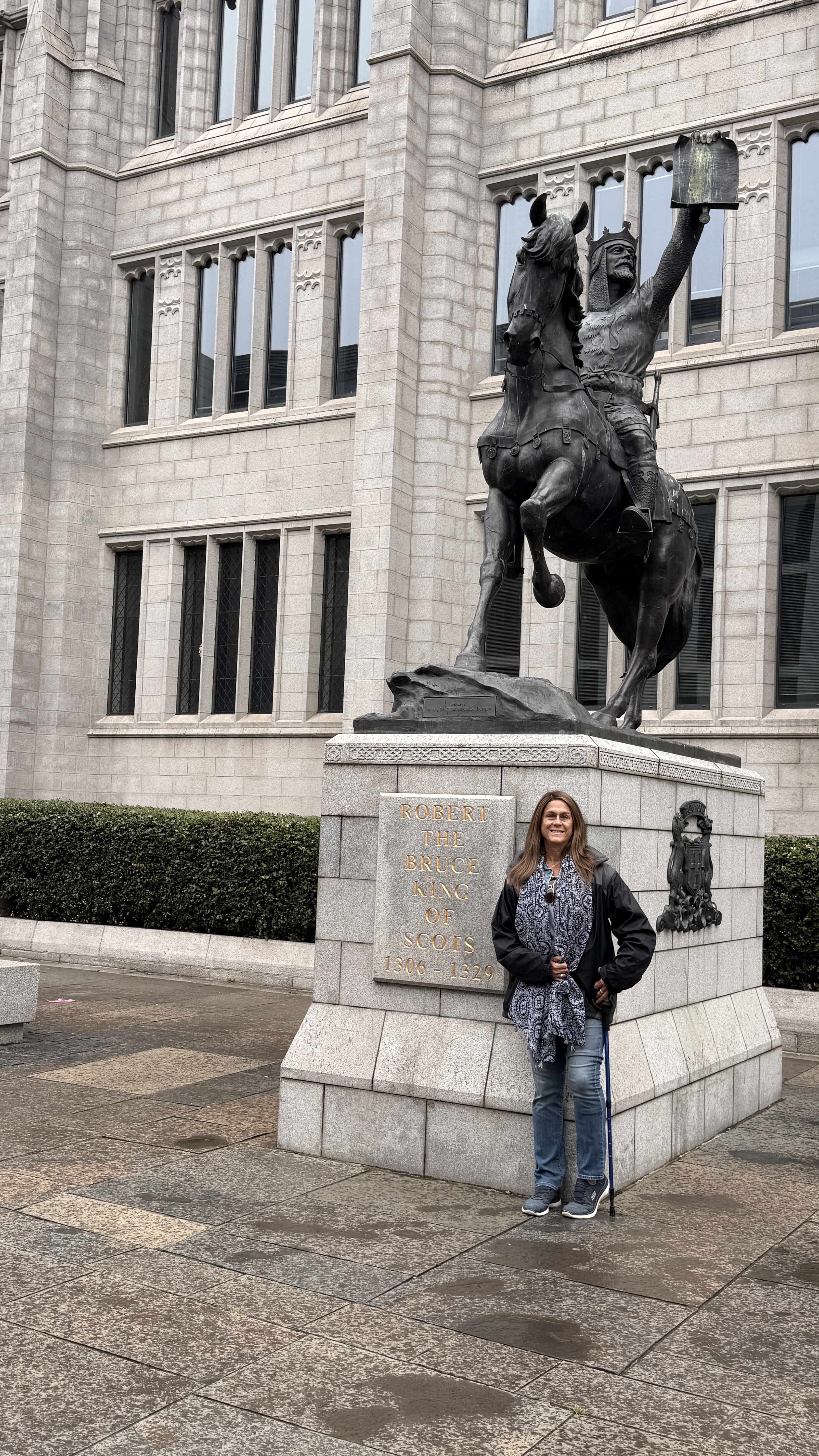
Here are a few photos from our walkabout. First, the Aberdeen City Council building. Aberdeen City Council operates primarily out of two historic buildings: the Aberdeen Town House and the landmark Marischal College. The Town House was built between 1868 and 1874 by architects Peddie and Kinnear, incorporating parts of the older 17th-century Tolbooth. The council’s main administrative offices later relocated across the street to the refurbished Marischal College in 2011. Marischal College is the second-largest granite structure in the world and was established in 1593 by George Keith, the 5th Earl Marischal, as a Protestant alternative to King’s College. It was then integrated with King’s College in 1860 to officially form the unified University of Aberdeen. That’s me standing by Robert the Bruce in front of the council building. Robert the Bruce was the King of Scots from 1306 to 1329 who freed Scotland from English rule, won the famous Battle of Bannockburn, and secured full Scottish independence. Born on July 11, 1274, he is remembered as one of Scotland’s greatest national heroes.
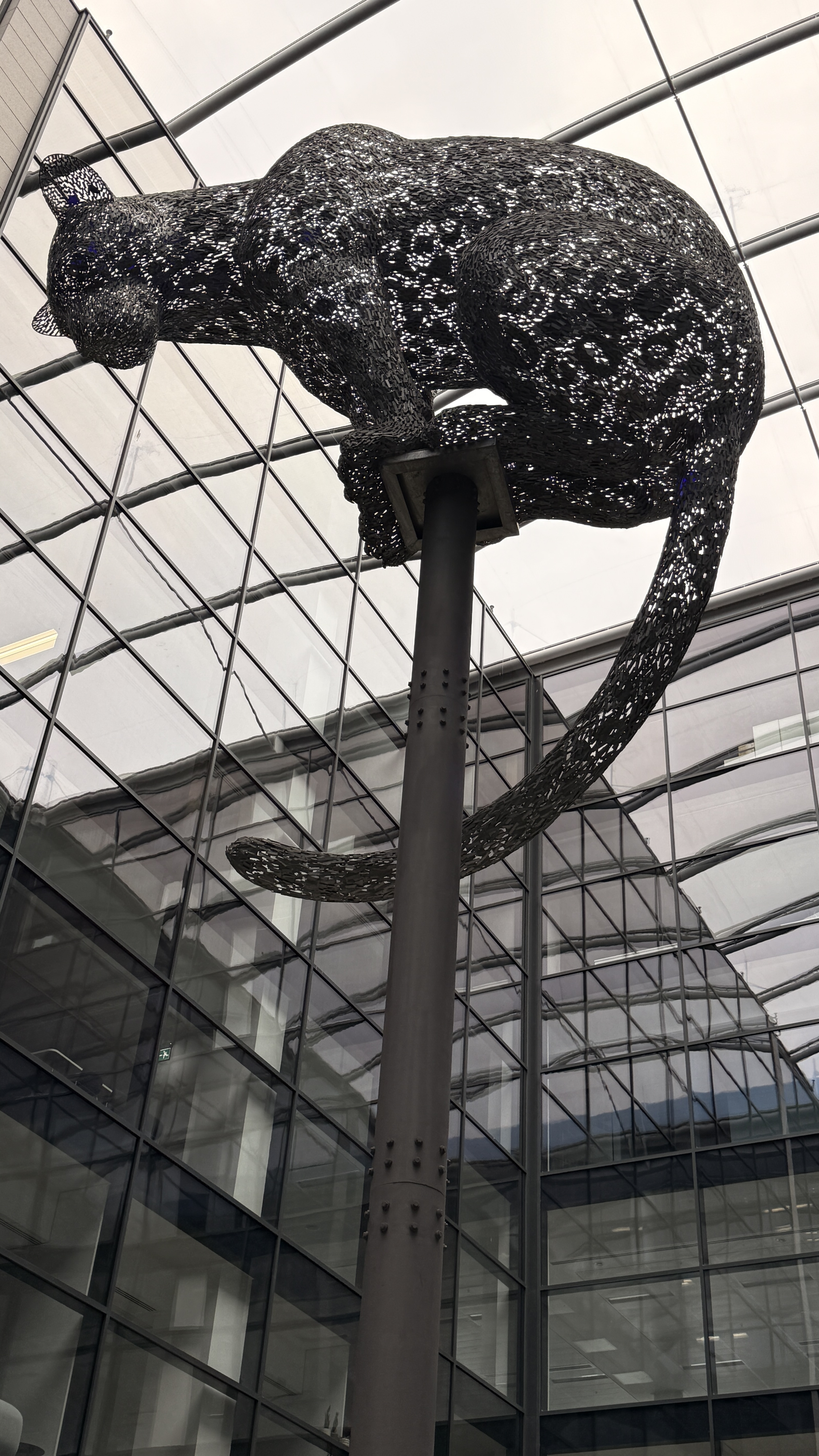
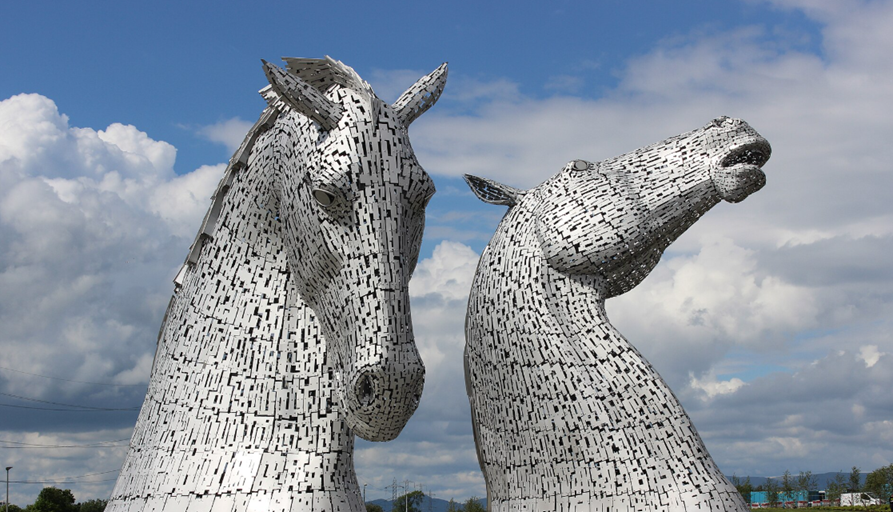
Across from the old college, there was Marischal Square, which is a modern mixed-use development in the heart of Aberdeen, Scotland, featuring offices, a hotel, and restaurants. Completed in 2017, the project cost £107 million and sits opposite the historic Marischal College. In the courtyard, we saw a 15-meter-high steel leopard weighing over two tons, unveiled in November 2017 by Scottish sculptor Andy Scott, whose other notable works include the Kelpies. If you don’t know the Kelpies, they are a pair of steel horse heads between the Scottish towns of Falkirk and Grangemouth. They form the eastern gateway of the Forth and Clyde Canal, which meets the River Carron here. Each head is 98 ft high and weighs approximately 300 tons.
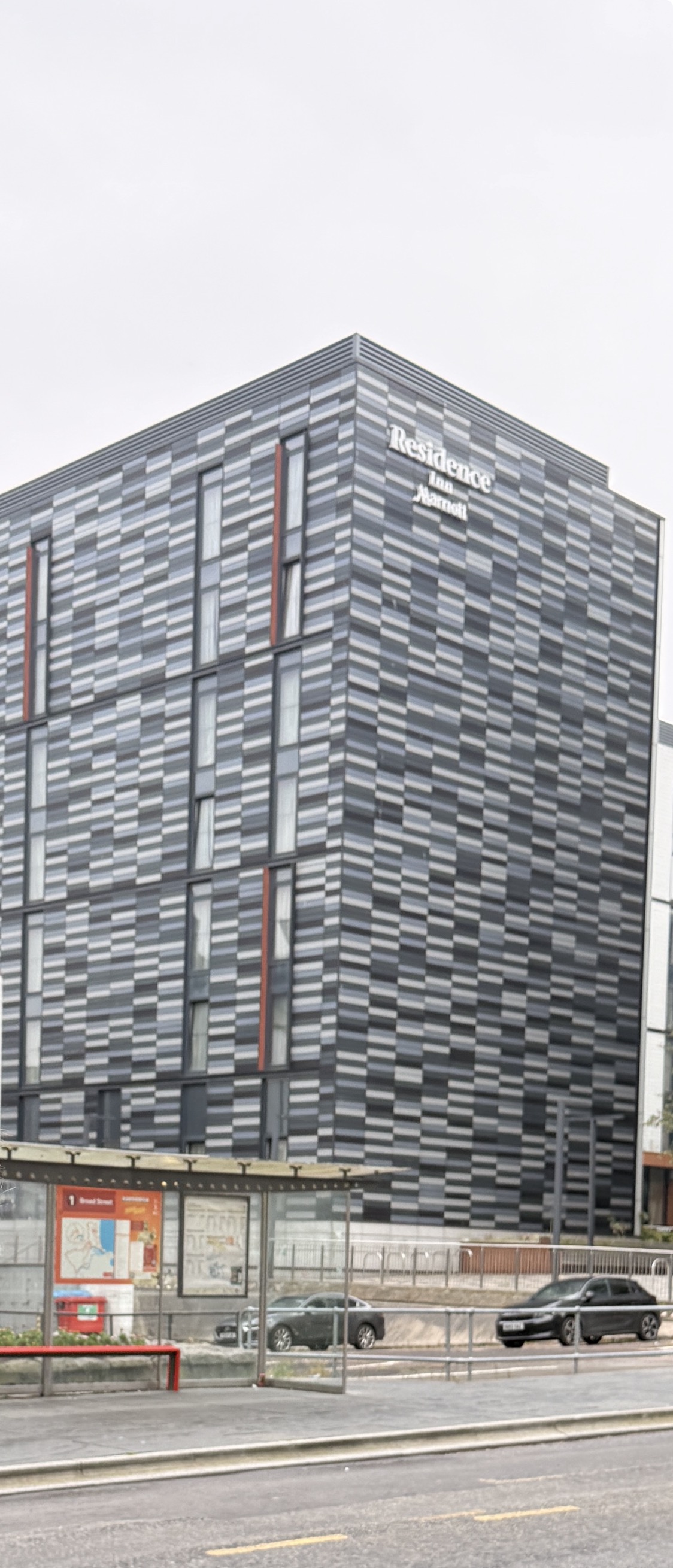
As we were walking around, we saw a few amazingly weird sites: a black-and-white block Marriott Residence Inn and a mural of Police on ostrich.
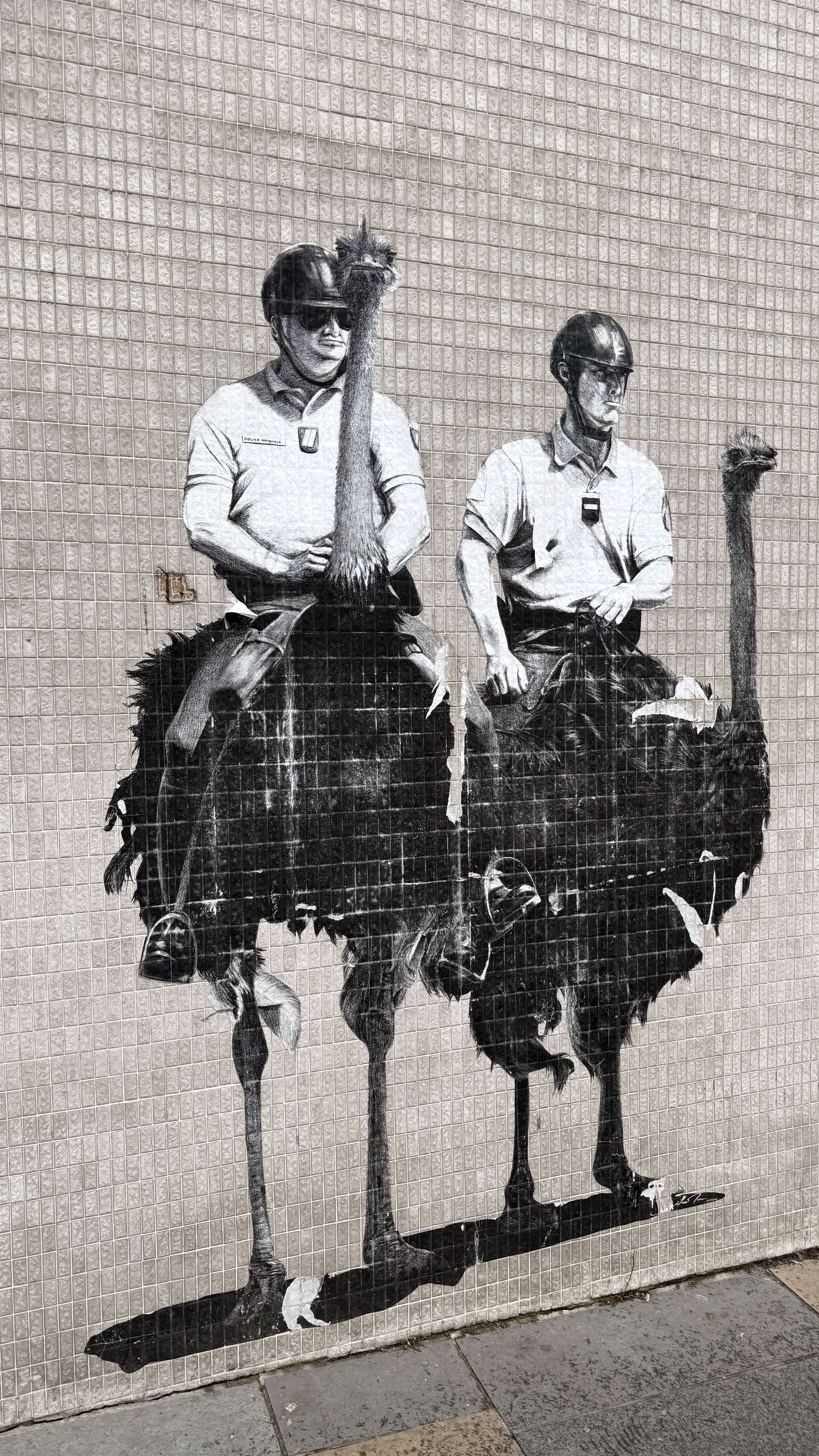
The ostrich police mural in Aberdeen is a famous whimsical, surreal street art titled Police Montée created by the French artistic duo Murmure. It was featured as part of the Nuart Aberdeen street art festival. The piece depicts clueless-looking mounted police officers patrolling not on horses, but on equally bewildered ostriches. It plays on the concept of official authority and traditional mounted police patrols, replacing majestic horses with comical, exotic flightless birds to catch unsuspecting pedestrians off guard. The artists are known for clever urban interventions that playfully challenge how people perceive everyday civic structures and authority in public spaces.
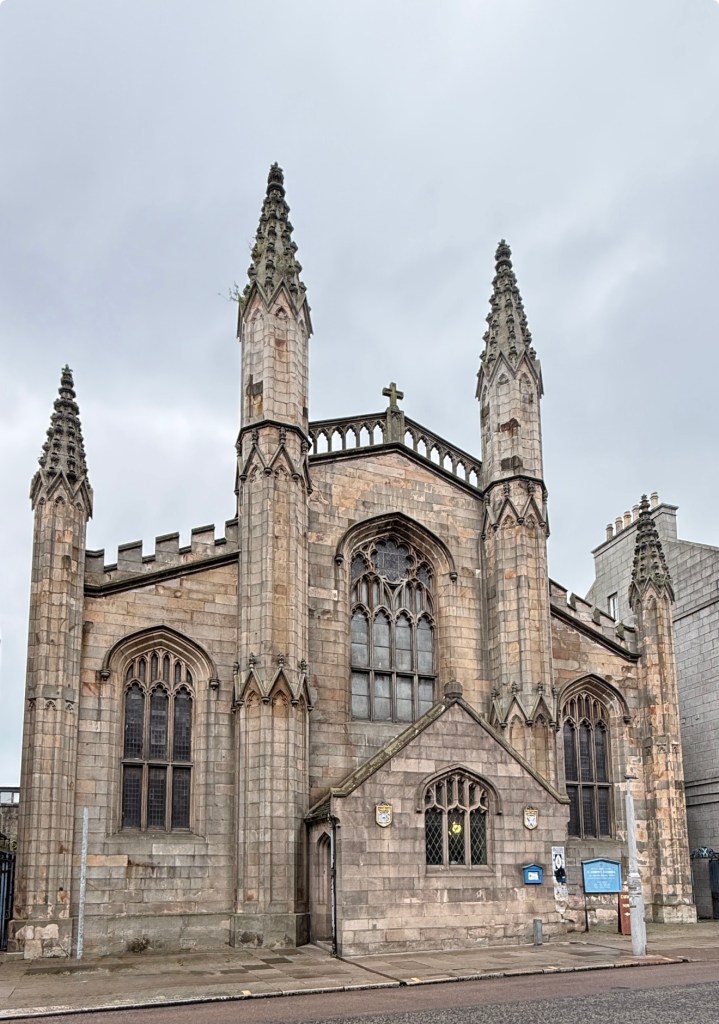
Then we walked by the beautiful St. Andrews Kirk, which is a cathedral of the Scottish Episcopal Church situated in the Scottish city of Aberdeen. It is the see of the Bishop of Aberdeen and Orkney, who is the Ordinary of the Diocese of Aberdeen and Orkney. The earliest records for the St Andrew’s congregation date to 1716. The present church building opened in 1817 and was raised to cathedral status in 1914.
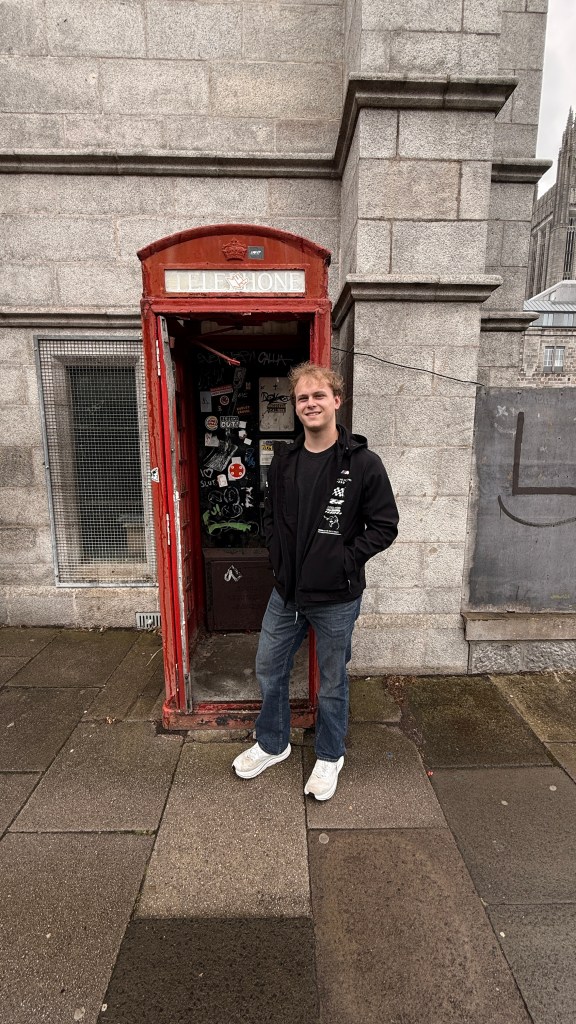
We headed back to where we were meeting the coach, but couldn’t resist taking a phone box photo. There was no phone in there, and it was full of trash and graffiti. And that was just the morning.
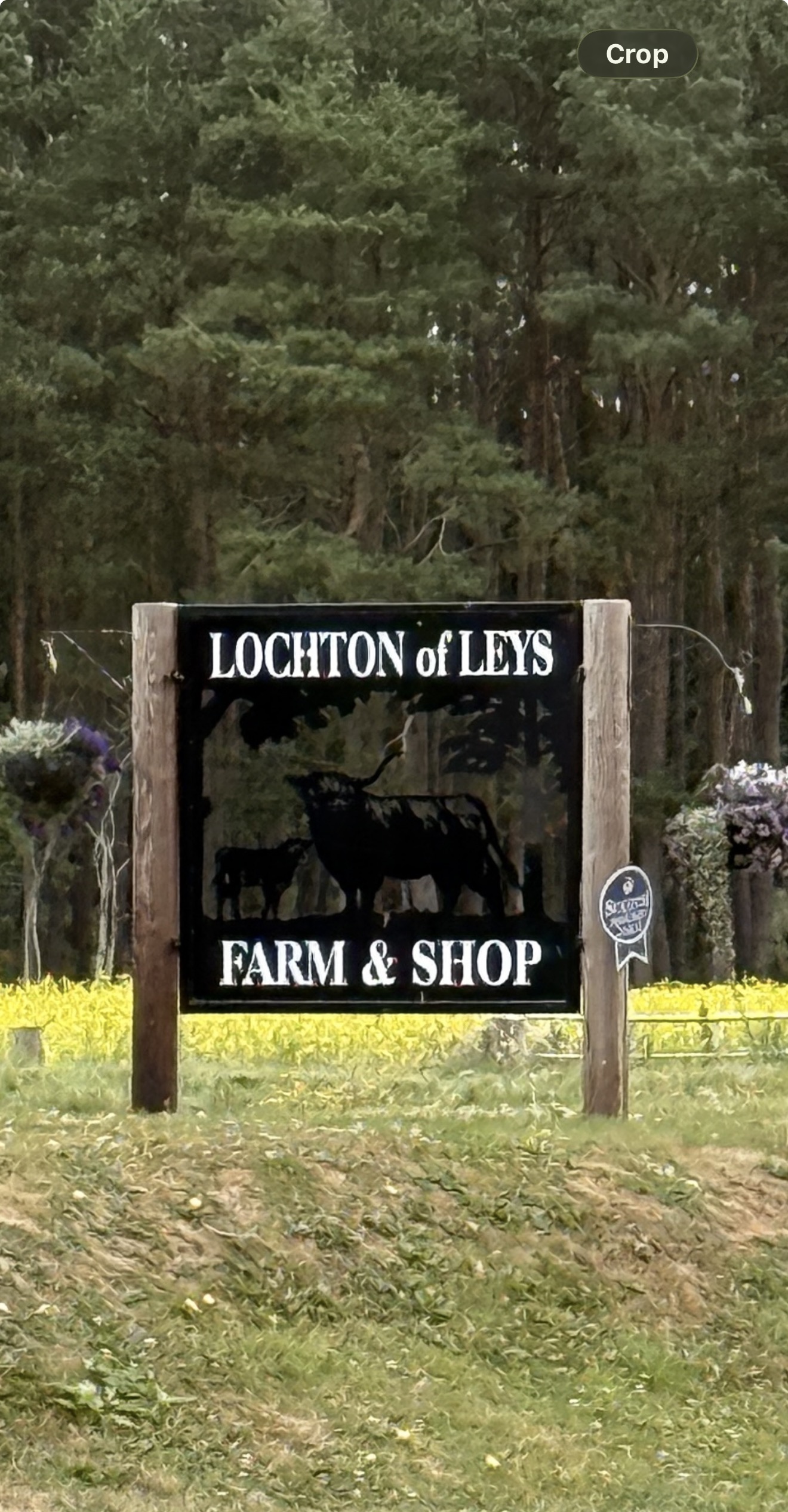
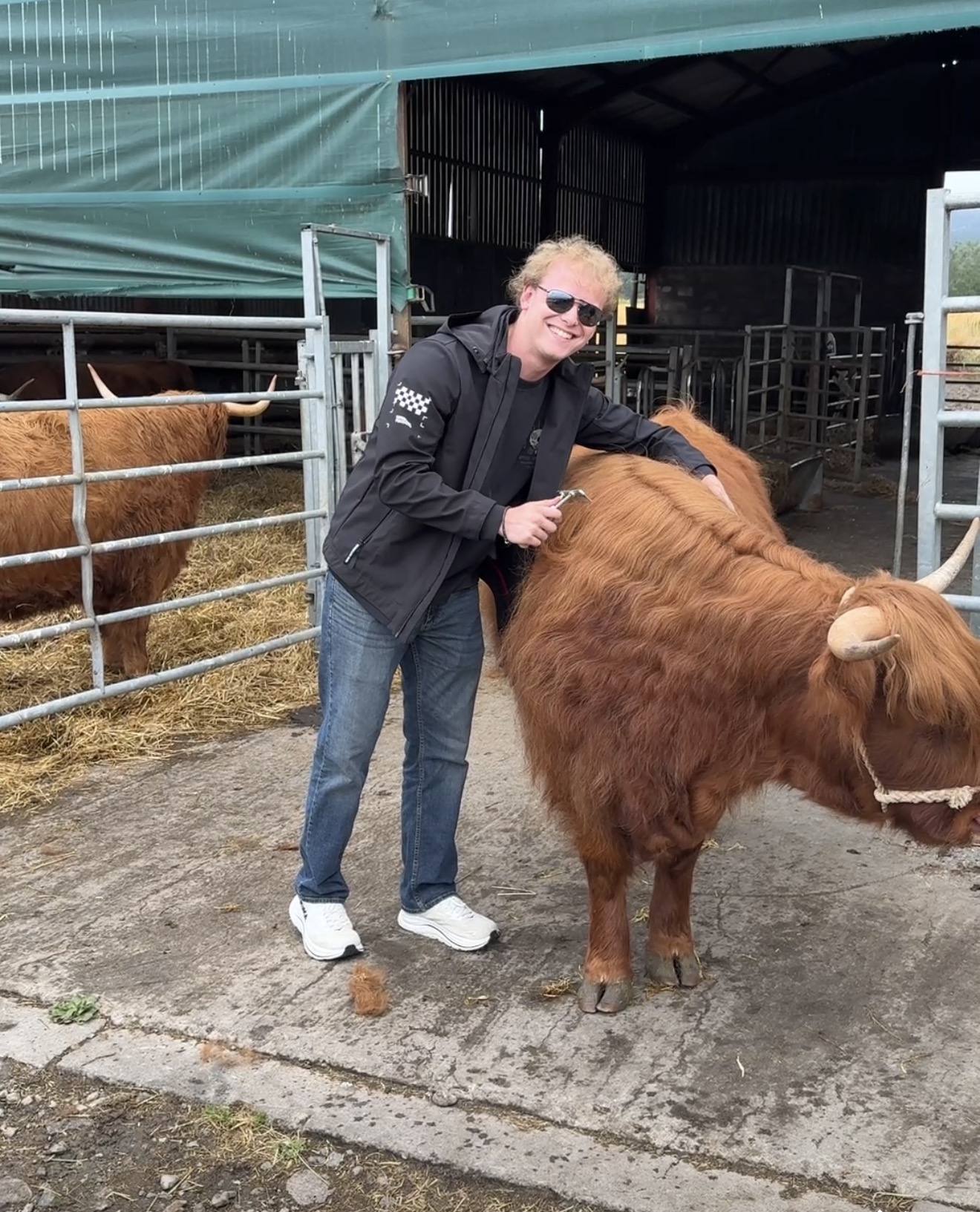
We headed back to the ship around 11am and rested for a while, got some lunch, and then headed out again at 2pm for the Aberdeenshire Highland Cattle Farm, Lochton of Leys. These girls were heifers, or breeding stock, and were not beef cattle. The heifers all got names and stayed at the farm for about 25 years each, then were retired to another farm for the remainder of their days; the beef cattle did not get names, and they were only around for about 30 months. The one Shane is grooming is 2 years old and called Maggie.
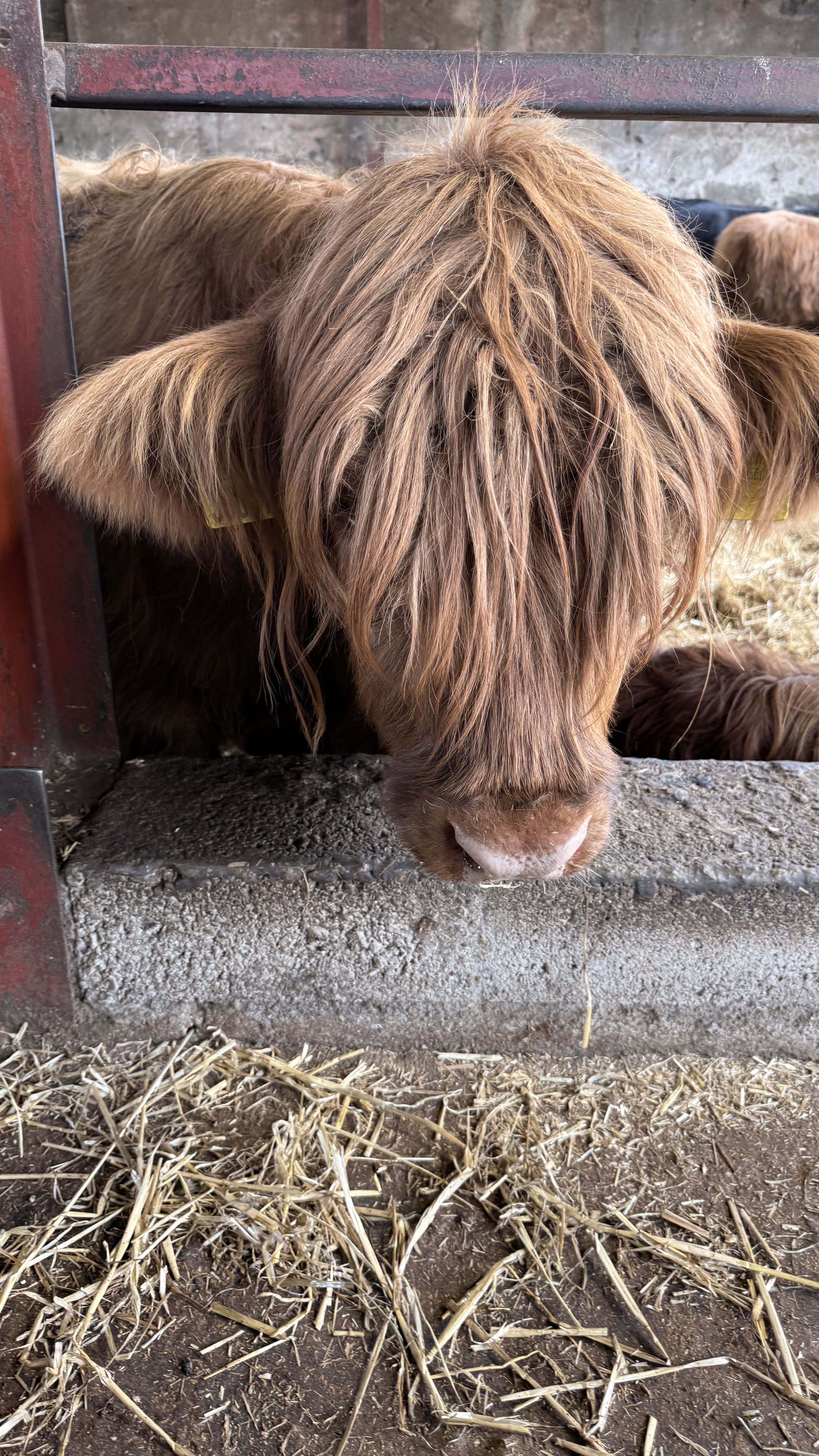
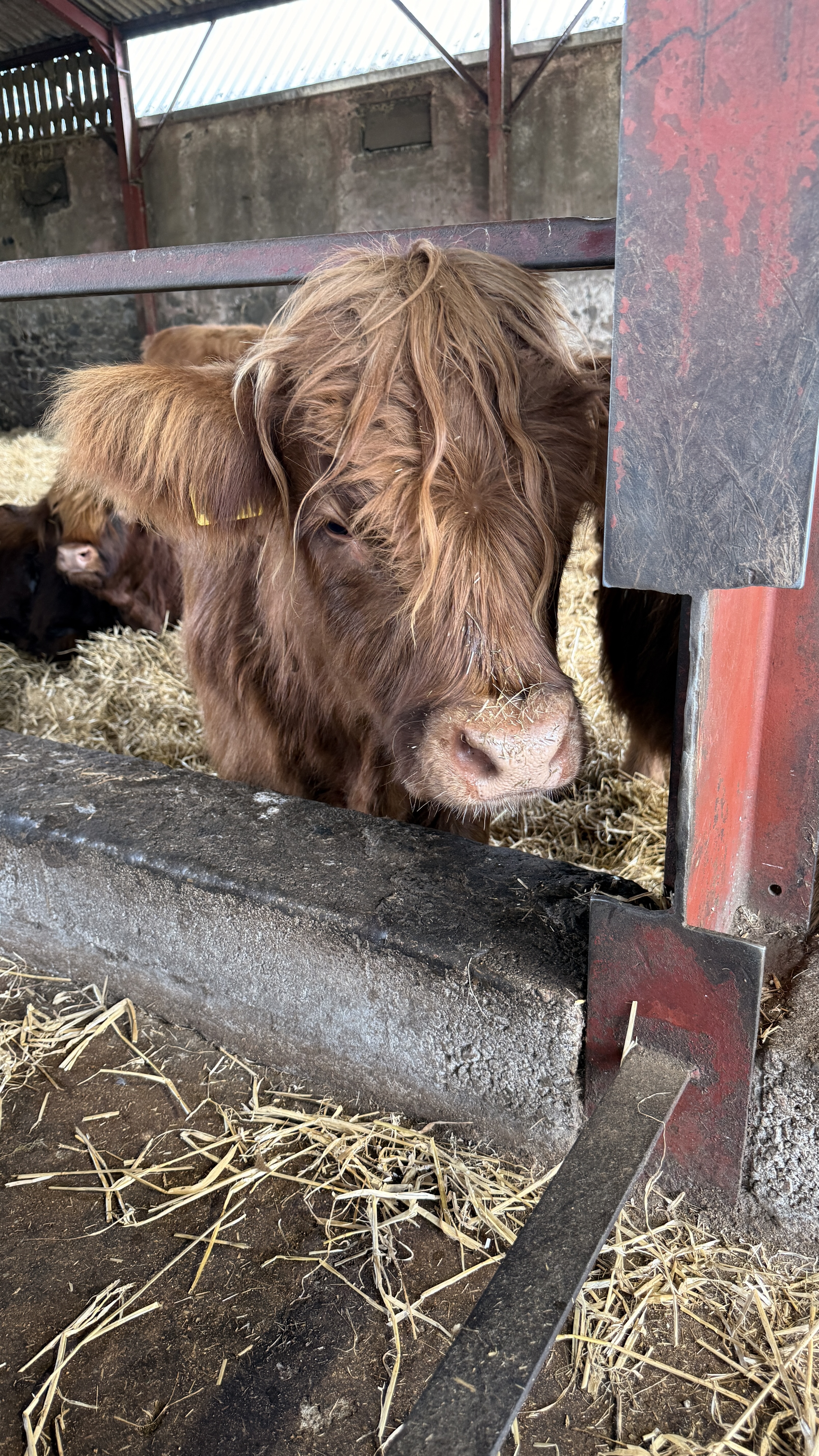
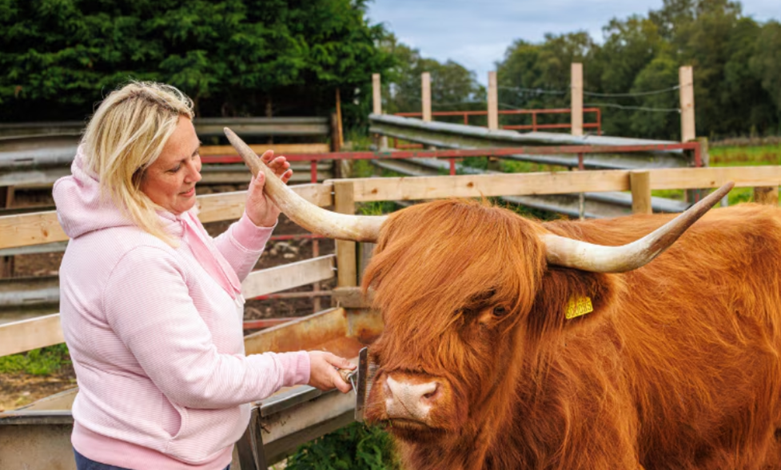
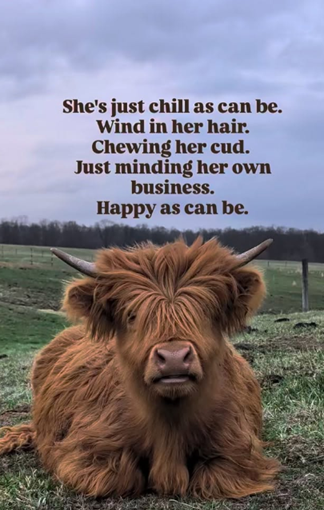
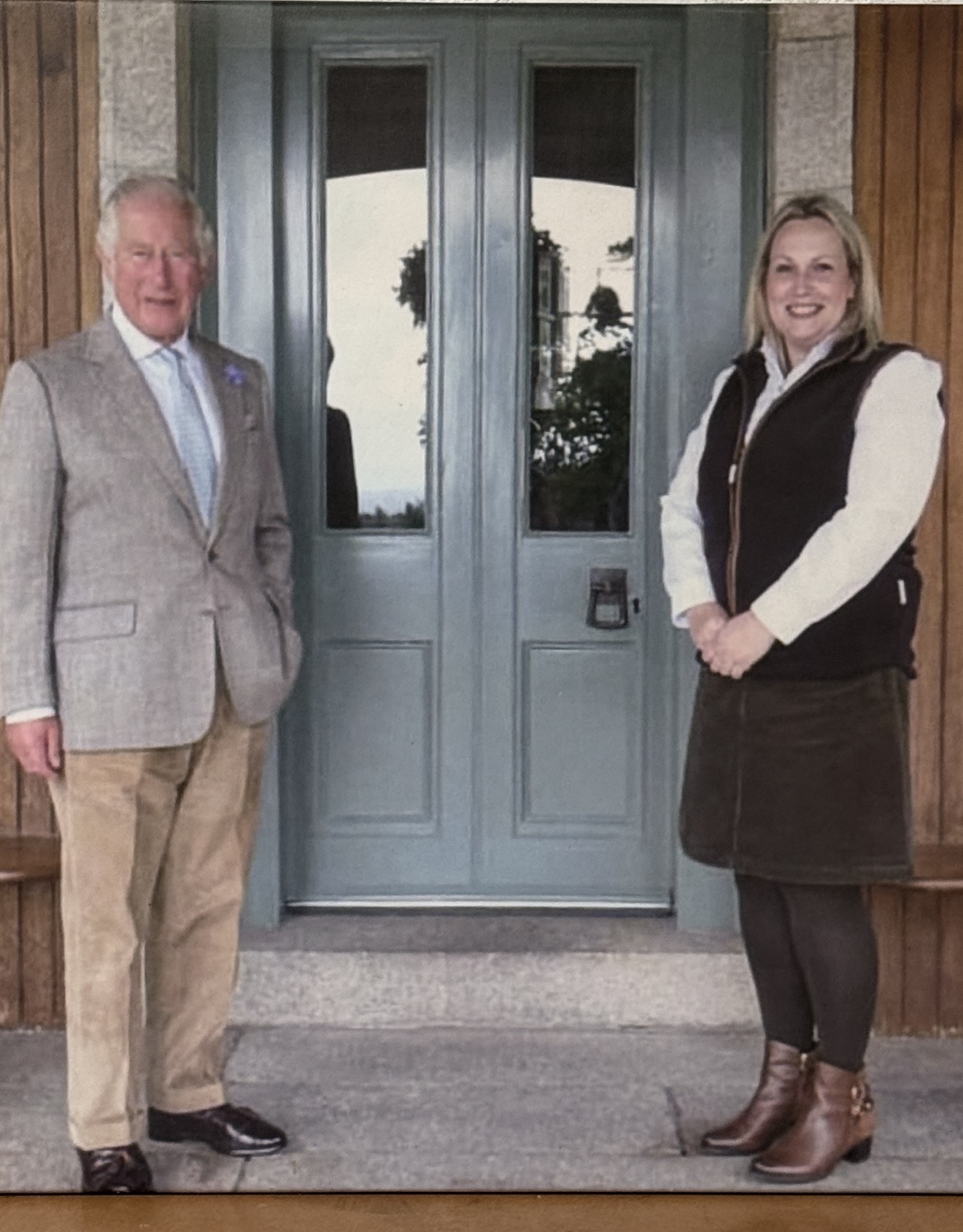
There was another heifer there called Duchess, and she was 8 years old. She has won many awards in the Highland cow showing circuit and has been featured in calendars and on magazine covers for her exceptional fluffiness. Here are some glamour shots: a photo of Duchess and Grace, our hostess, and a magazine ad. Grace also sells beef to the royal family and got to have tea with the King.
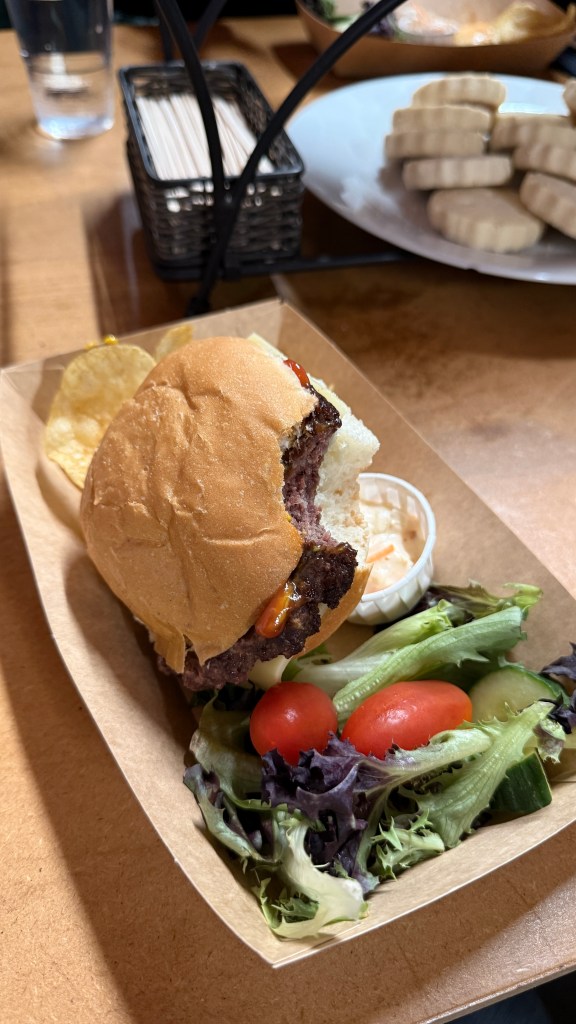
So after we met them, we went into the nearby shed and got to taste the beef. Yes, those are shortbread cookies in the background.
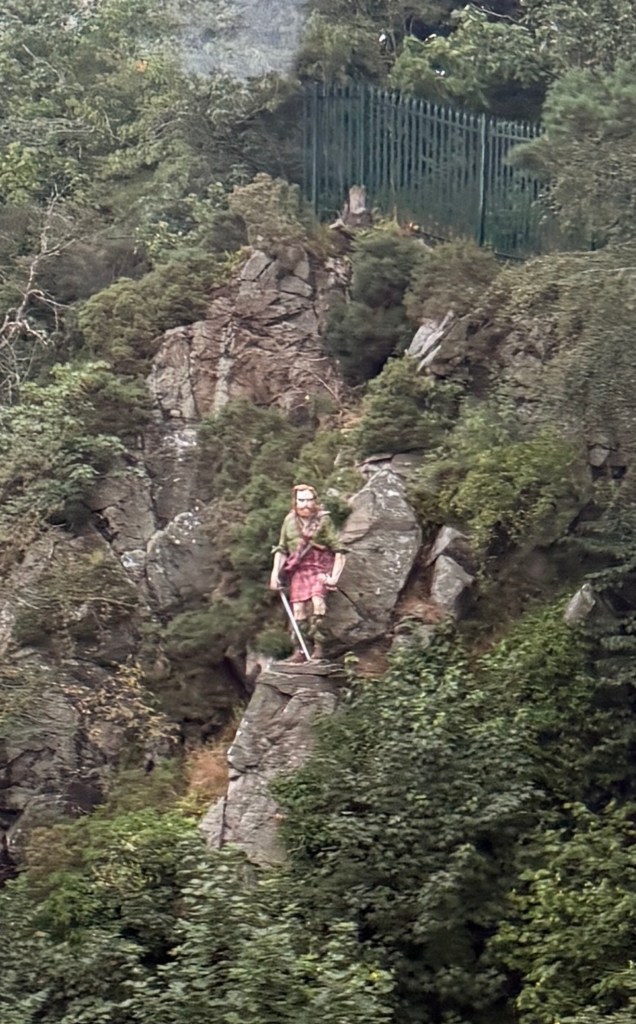
On the coach ride back to the ship, we crossed a bridge, and there was a local sculpture of Rob Roy MacGregor. Rob Roy MacGregor (1671–1734) was a famous Scottish cattleman, outlaw, and folk hero often called the “Scottish Robin Hood”. Born in Glengyle, Scotland, he earned his nickname “Roy” from the Gaelic word ruadh, meaning red, because of his fiery red hair. His real life mixed legitimate trading with protection rackets, rebellion, and a long, bitter feud with powerful nobles. He fought alongside his father for the Jacobite cause at age 18 during the 1689 Battle of Killiecrankie. The real Rob Roy was not quite the noble, altruistic figure portrayed in the 1995 Liam Neeson film or Sir Walter Scott’s 1817 novel. Instead, he was a freebooter who frequently engaged in cattle rustling and extortion.
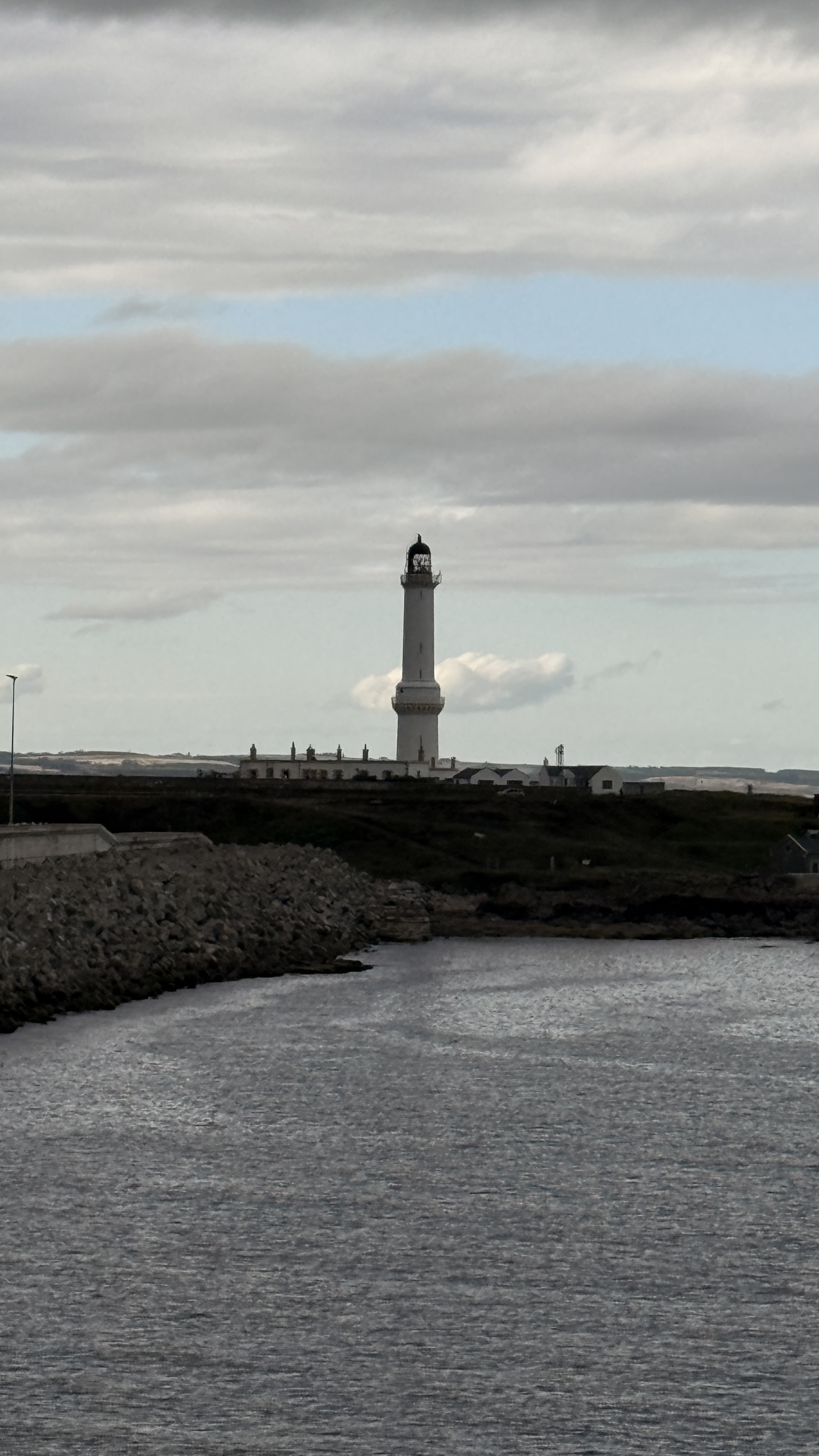
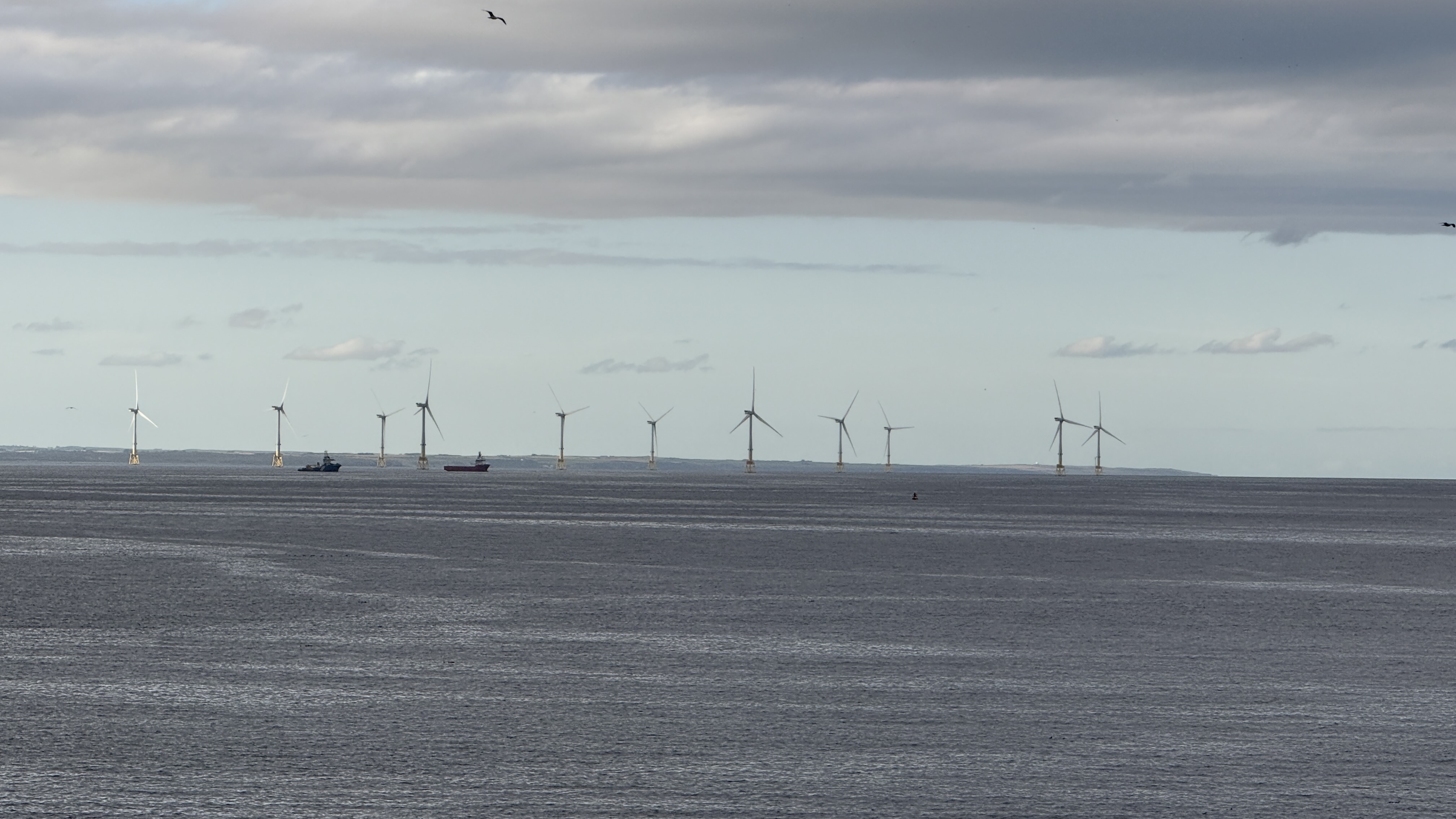
We motored out of the inlet and were treated to this pretty lighthouse and a farm of windmills in the distance.
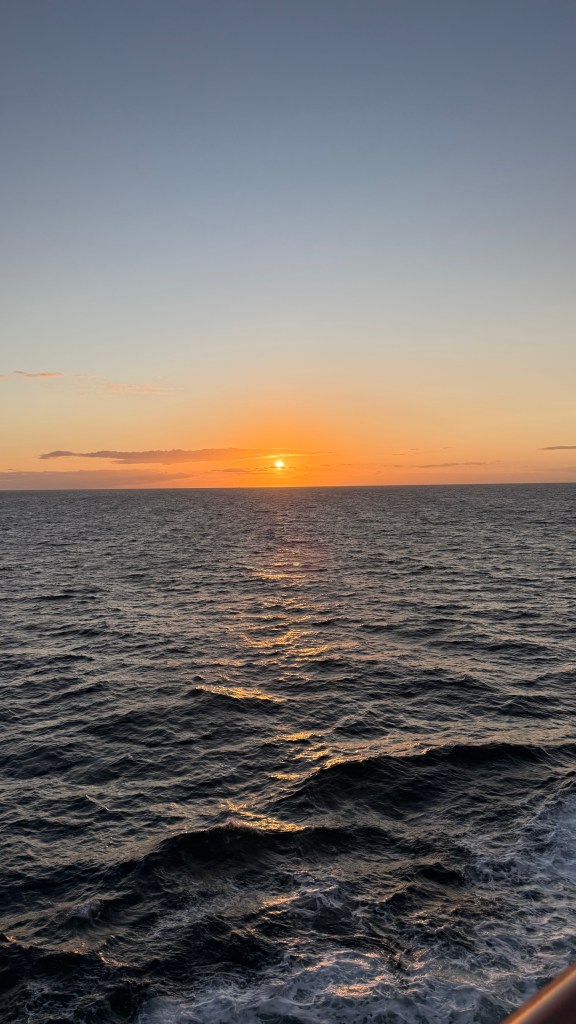
And then, just about 10 minutes ago, at 935pm, this beautiful almost sunset. See you tomorrow in Lerwick, Shetland. Shane and I will be meeting some Shetland ponies and sheepdogs.


Leave a Reply